Whales are among the largest and most remarkable animals on Earth. These marine mammals live in oceans around the world, from warm tropical waters to the cold seas surrounding the poles.
Life Beneath the Surface
Although whales spend their lives in water, they breathe air through blowholes located on top of their heads. They must regularly return to the surface to breathe before diving again in search of food or traveling through the ocean.
Whales are warm-blooded, give birth to live young, and nurse their calves with milk. A thick layer of fat called blubber helps protect them from cold water and stores energy during long migrations.
Two Main Groups
Whales are generally divided into baleen whales and toothed whales. Baleen whales filter small animals from the water using flexible plates inside their mouths. This group includes blue whales, humpback whales, and gray whales.
Toothed whales use teeth to catch fish, squid, and other prey. Many of them also use echolocation, producing sounds and listening for returning echoes to understand their surroundings. Sperm whales, belugas, and orcas belong to this group.
The Blue Whale
The blue whale is the largest known animal to have ever lived. An adult can grow longer than a city bus and weigh well over one hundred tonnes. Despite its enormous size, it feeds mainly on tiny crustaceans called krill.
Communication and Migration
Whales communicate using clicks, whistles, pulses, and complex songs. Some sounds can travel across great distances underwater. Humpback whales are especially famous for their long, patterned songs.
Many species migrate thousands of kilometres each year. They often feed in cold, nutrient-rich waters before traveling to warmer regions where they mate and give birth.
Protecting Whales
Commercial hunting once caused severe declines in many whale populations. Today, whales also face threats from fishing gear, ship collisions, underwater noise, pollution, and changes to ocean ecosystems.
Conservation programs, safer fishing practices, protected habitats, and international cooperation can help whale populations recover. Protecting whales also supports healthier oceans because these animals play an important role in marine food webs and nutrient cycles.
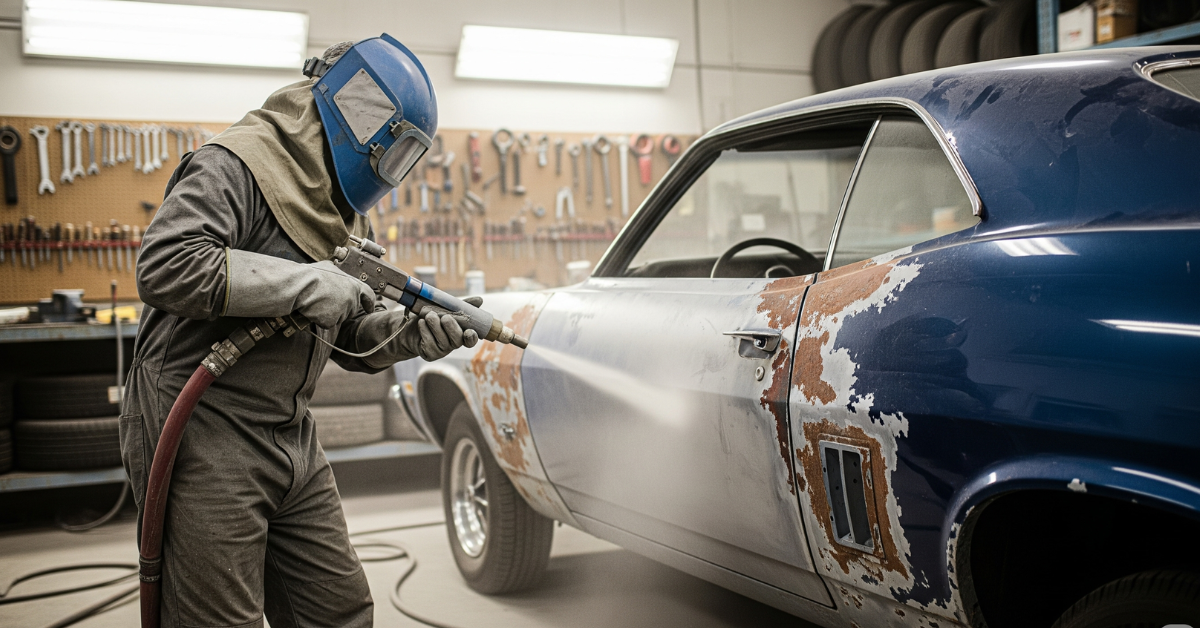
Jasa sandblasting mobil Pekanbaru menjadi solusi andalan untuk membersihkan karat, mengelupas cat lama, dan mempersiapkan permukaan kendaraan sebelum pengecatan ulang. Teknik ini efektif untuk restorasi mobil tua, perbaikan sasis keropos, hingga perawatan mobil off-road.
Di kota Pekanbaru, Riau, banyak bengkel menyediakan layanan sandblasting, mulai dari metode kering (dry blasting), vapor blasting, hingga soda blasting. Layanan ini cocok untuk body, velg, rangka, gardan, hingga blok mesin mobil. Hasilnya bersih maksimal, cepat, dan siap dilapisi cat anti karat atau epoxy.
Jasa Sandblasting Mobil Pekanbaru Harga & Layanan Lengkap
Layanan jasa sandblasting mobil Pekanbaru harga yang ditawarkan bengkel bervariasi tergantung bagian mobil yang dibersihkan, jenis media pasir, serta teknik blasting yang digunakan.
Jenis Layanan Sandblasting yang Tersedia:
Sandblasting body mobil Pekanbaru: Bersihkan cat lama dan karat.
Sandblasting rangka dan sasis mobil: Solusi mobil yang mulai keropos akibat usia.
Sandblasting velg mobil Pekanbaru: Kembalikan tampilan velg seperti baru.
Sandblasting blok mesin & dek gardan: Bersihkan kerak membandel.
Coating anti karat & epoxy primer: Tahap wajib setelah blasting.
Pengecatan mobil setelah sandblast di Pekanbaru: Full finishing agar mobil tampil maksimal.
Beberapa lokasi populer yang menyediakan layanan sandblasting di Pekanbaru antara lain:
Bengkel sandblasting di Panam
Bengkel restorasi mobil Marpoyan Damai
Sandblasting mobil Rumbai
Jasa sandblasting mobil di Duri dan Dumai (wilayah penyangga Pekanbaru)
Biaya Sandblasting Mobil di Pekanbaru: Estimasi Terbaru
Berapa biaya untuk melakukan sandblasting pada mobil?
Biaya sandblasting mobil di Pekanbaru tergantung luas permukaan, kondisi karat, dan jenis metode. Berikut estimasi harganya:
Jenis Pekerjaan
Estimasi Biaya
Body Mobil Full
Rp 1.500.000 – Rp 3.500.000
Sasis Mobil
Rp 800.000 – Rp 2.200.000
Velg (4 buah)
Rp 500.000 – Rp 1.200.000
Blok Mesin
Rp 300.000 – Rp 800.000
Rangka + Coating
Rp 1.800.000 – Rp 3.800.000
Catatan: Biaya bisa lebih tinggi untuk mobil double cabin, Jeep, atau kendaraan proyek.
Berapa harga mesin sandblasting?
Jika Anda ingin usaha sendiri atau tahu alat yang digunakan, harga mesin sandblasting di pasaran antara:
Mesin portable: Rp 5 juta – Rp 15 juta
Mesin industri kapasitas besar: Rp 20 juta – Rp 50 juta+
Apa Bedanya Vapor Blasting dan Sandblasting?
Sandblasting menggunakan pasir abrasif kering dengan tekanan tinggi, cocok untuk mengelupas cat dan karat dengan cepat. Sebaliknya, vapor blasting (wet blasting) menggunakan campuran media abrasif dan air, hasilnya lebih halus dan tidak menimbulkan debu.
Metode
Keunggulan
Sandblasting
Efektif untuk karat berat & cat tebal
Vapor Blasting
Hasil halus, cocok untuk blok mesin
Soda Blasting
Ramah lingkungan, tidak merusak permukaan
Media yang Digunakan: Blasting Pakai Pasir Apa?
Bengkel sandblasting mobil di Pekanbaru umumnya menggunakan media sebagai berikut:
Pasir silika / pasir besi: Paling umum, murah, dan abrasif tinggi.
Garnet: Lebih bersih dan tidak menghasilkan debu banyak.
Soda blasting (natrium bikarbonat): Aman untuk permukaan halus.
Vapor blasting (abrasif + air): Cocok untuk area sensitif.
Pemilihan media disesuaikan dengan kondisi mobil dan tujuan akhir—apakah hanya membersihkan atau akan langsung dicat ulang.
Manfaat Sandblasting Mobil di Pekanbaru
1. Membersihkan Karat Mobil Pekanbaru
Iklim tropis dan cuaca lembap membuat karat mudah menyerang, terutama pada bagian kolong dan sasis. Sandblasting adalah solusi cepat dan bersih.
2. Persiapan Sebelum Pengecatan
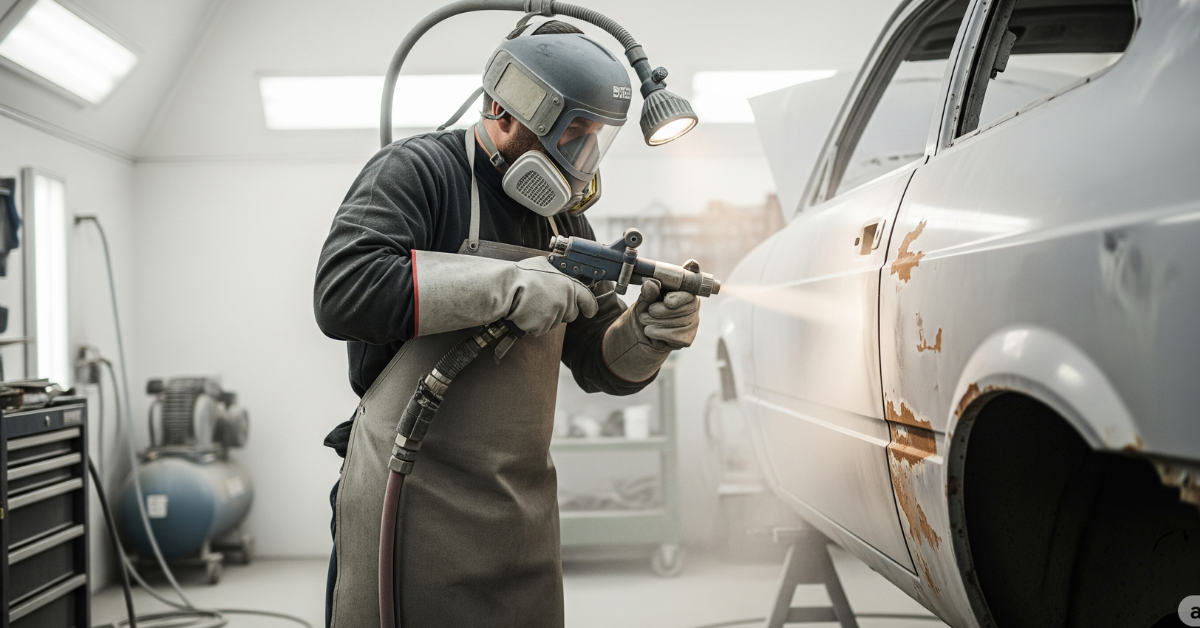
Sebelum cat oven atau cat ulang mobil, permukaan wajib dibersihkan dari karat dan cat lama. Blasting membuat hasil pengecatan lebih kuat dan awet.
3. Restorasi Mobil Tua Pekanbaru
Mobil klasik, Jeep lawas, atau kendaraan tua wajib melalui tahapan sandblasting agar bebas karat dan siap dikembalikan ke kondisi semula.
4. Perawatan Mobil Off-road / Proyek
Mobil proyek atau kendaraan 4×4 seperti double cabin yang sering melintasi medan berat biasanya mengalami kerusakan sasis. Blasting membantu deteksi dan penanganan awal.
Proses Kerja Sandblasting Mobil
Berikut tahapan standar jasa sandblasting mobil:
Identifikasi area berkarat atau cat rusak
Masking bagian penting (kaca, karet, kabel)
Pembersihan awal dari lumpur/debu
Blasting menggunakan alat & media yang dipilih
Pembersihan sisa debu/pasir
Pelapisan epoxy primer / coating anti karat
Opsional: pengecatan ulang
Tips Memilih Jasa Sandblasting Mobil Terdekat di Pekanbaru
Pilih bengkel yang terbuka untuk melihat proses kerja
Cek apakah tersedia coating setelah blasting
Tanyakan media apa yang digunakan
Pastikan teknisi berpengalaman agar plat tidak rusak
Cari yang bisa sekalian restorasi cat & body repair
Bengkel di area Panam, Marpoyan Damai, dan Rumbai dikenal memiliki reputasi baik untuk pekerjaan sandblasting dan pengecatan mobil.
FAQ Seputar Sandblasting Mobil Pekanbaru
Apa itu sandblasting mobil?
Proses membersihkan permukaan mobil dari karat, cat lama, atau kotoran berat menggunakan media abrasif bertekanan tinggi.
Apa beda vapor blasting dan sandblasting?
Vapor blasting menggunakan air & abrasif, hasilnya lebih halus. Sandblasting pakai pasir kering, lebih cepat bersihkan permukaan kasar.
Berapa biaya sandblasting sasis mobil di Pekanbaru?
Sekitar Rp 800.000 – Rp 2.200.000 tergantung ukuran dan tingkat karat.
Sandblasting mobil aman?
Aman jika dilakukan oleh teknisi profesional dengan tekanan dan media yang tepat.
Solusi Restorasi Mobil dengan Sandblasting Pekanbaru
Jasa sandblasting mobil Pekanbaru 2025 adalah pilihan tepat untuk Anda yang ingin merawat, membersihkan, dan memperbaiki kendaraan dari kerusakan akibat karat atau usia. Dengan teknik modern, tenaga profesional, dan layanan lengkap, mobil Anda akan tampil seperti baru kembali.
Hubungi Kami Sekarang Dapatkan penawaran gratis untuk sandblasting mobil Anda! Layanan panggilan dan konsultasi teknis tersedia.
Sandblasting mobil adalah proses pembersihan permukaan kendaraan menggunakan media abrasif bertekanan tinggi seperti pasir besi, soda, atau air. Di Palopo, Sulawesi Selatan, jasa ini semakin diminati, terutama oleh pemilik mobil tua, mobil off-road, maupun yang ingin restorasi body kendaraan secara total. Jasa sandblasting mobil Palopo melayani berbagai jenis pekerjaan, mulai dari pengelupasan cat lama, pembersihan karat, hingga persiapan body untuk pengecatan ulang.
Jasa Sandblasting Mobil Palopo Sulawesi Selatan: Lengkap & Profesional
Di wilayah Palopo kota, Sulawesi Selatan, jasa sandblasting mobil tidak hanya terbatas pada body mobil saja. Banyak bengkel spesialis yang menawarkan paket lengkap, termasuk:
Sandblasting sasis mobil Palopo: Membersihkan lumpur dan karat yang menumpuk di bagian bawah kendaraan.
Sandblasting velg mobil Palopo: Membuat velg kembali seperti baru.
Sandblasting blok mesin mobil: Menghilangkan kerak dan kotoran membandel dari permukaan mesin.
Blasting gardan dan dek mobil: Cocok untuk kendaraan niaga dan mobil 4×4.
Pengelupasan cat total (paint stripping): Untuk restorasi cat mobil secara menyeluruh.
Sandblasting rangka mobil: Umumnya diperlukan untuk mobil tua atau hasil rekondisi.
Sandblasting dan coating anti karat: Untuk perlindungan jangka panjang dari korosi.
Dengan peralatan modern dan tenaga kerja berpengalaman, jasa sandblasting mobil di Palopo dapat menyelesaikan pekerjaan dalam waktu relatif cepat dan hasil yang maksimal.
Menghilangkan karat dengan efisien Tidak ada metode lain yang seefektif sandblasting untuk membersihkan karat sampai ke pori-pori logam.
Mempersiapkan permukaan untuk pengecatan ulang Proses blasting membuat permukaan lebih bersih dan kasar secara mikro, sehingga cat baru bisa menempel sempurna.
Restorasi mobil tua jadi lebih mudah Jasa sandblasting sangat penting untuk jasa restorasi mobil tua Palopo, terutama bagi mobil antik, Jeep, atau mobil double cabin.
Lebih cepat dibanding metode manual Jika dibandingkan dengan metode kerok manual, sandblasting jauh lebih cepat dan bersih.
Lebih aman untuk struktur mobil Bila dikerjakan oleh profesional, sandblasting aman untuk plat body mobil tanpa membuatnya tipis atau rusak.
Biaya dan Harga Jasa Sandblasting Mobil di Palopo
Berapa jasa sandblasting mobil di Palopo?
Harga jasa sandblasting mobil bervariasi tergantung pada bagian mobil yang dibersihkan dan jenis media yang digunakan. Berikut estimasi biaya sandblasting mobil Palopo:
Jenis Sandblasting
Estimasi Harga
Body Mobil Full
Rp 1.500.000 – Rp 3.000.000
Sasis Mobil
Rp 800.000 – Rp 2.000.000
Velg Mobil (4 pcs)
Rp 500.000 – Rp 1.200.000
Blok Mesin
Rp 400.000 – Rp 800.000
Gardan & Dek
Rp 700.000 – Rp 1.500.000
Rangka Mobil
Rp 1.000.000 – Rp 2.500.000
Harga dapat berubah tergantung jenis mobil, kondisi karat, dan lokasi bengkel.
Berapa harga mesin sandblasting?
Mesin sandblasting untuk bengkel biasanya dibanderol mulai dari Rp 5.000.000 hingga Rp 50.000.000 tergantung kapasitas dan teknologi (dry blasting, wet blasting, soda blasting).
Berapa harga pasir sandblasting?
Harga media blasting di Palopo:
Pasir besi: Rp 8.000 – Rp 15.000/kg
Soda blasting (baking soda): Rp 25.000 – Rp 35.000/kg
Vapor/wet blasting: Lebih mahal karena memakai sistem injeksi air bertekanan tinggi.
Berapa biaya sandblasting per jam?
Rata-rata bengkel menetapkan biaya per jam sekitar Rp 200.000 – Rp 400.000 tergantung alat dan tingkat kesulitan pengerjaan.
Alternatif Sandblasting Mobil: Murah Tapi Efektif?
Jika sandblasting terlalu mahal, Anda bisa mempertimbangkan:
Kerok cat manual: Cocok untuk area kecil, tapi tidak efisien untuk proyek besar.
Paint remover kimia: Bisa digunakan tapi memerlukan kehati-hatian agar tidak merusak plat body.
Sikat kawat + gerinda: Lebih murah, namun berisiko merusak permukaan jika tidak hati-hati.
Meski demikian, dari segi hasil dan waktu, sandblasting tetap metode terbaik.
Jasa Sandblasting Mobil Terdekat di Palopo dan Sekitarnya
Untuk Anda yang mencari bengkel sandblasting mobil Palopo kota, berikut area yang dilayani:
Palopo kota & Wara
Luwu dan Belopa
Masamba dan Malili
Luwu Raya & sekitarnya
Beberapa bengkel juga menyediakan layanan antar-jemput atau pengerjaan di tempat untuk unit fleet atau proyek restorasi besar.
Tips Memilih Jasa Sandblasting Mobil di Palopo
Lihat hasil kerja sebelumnya Mintalah dokumentasi pengerjaan mobil lain yang pernah ditangani.
Pastikan ada layanan coating anti karat Setelah blasting, penting untuk segera mengaplikasikan epoxy primer agar logam tidak cepat berkarat lagi.
Tanyakan media blasting yang digunakan Hindari bengkel yang hanya menggunakan pasir biasa tanpa pengontrol tekanan, karena bisa merusak permukaan body.
Pilih bengkel spesialis restorasi mobil Beberapa bengkel di Palopo fokus pada body repair dan sandblasting kendaraan, khususnya mobil 4×4 dan tua.
FAQ Seputar Jasa Sandblasting Mobil Palopo
Apa itu sandblasting mobil?
Sandblasting mobil adalah proses penyemprotan media abrasif bertekanan tinggi untuk membersihkan karat, cat lama, atau kotoran berat dari permukaan kendaraan.
Apakah sandblasting aman untuk plat body mobil?
Aman jika dilakukan dengan tekanan yang tepat dan oleh teknisi berpengalaman. Plat tidak akan rusak atau tipis.
Berapa lama proses sandblasting satu mobil?
Biasanya memakan waktu 1–3 hari kerja, tergantung bagian mobil yang dibersihkan dan tingkat keparahan karat.
Apa kelebihan sandblasting dibanding kerok manual?
Lebih cepat, lebih bersih, dan mampu menjangkau area tersembunyi seperti kolong mobil atau sudut rangka.
Butuh Jasa Sandblasting Mobil Palopo 2025?
Jika Anda ingin menghilangkan karat, merestorasi mobil tua, atau mengecat ulang kendaraan, jasa sandblasting mobil Palopo adalah solusi terbaik. Dengan harga kompetitif dan hasil profesional, Anda bisa memperpanjang umur kendaraan dan meningkatkan tampilannya. Pastikan Anda memilih bengkel terpercaya dan gunakan jasa yang sudah berpengalaman.
Hubungi Kami Sekarang Dapatkan penawaran gratis untuk sandblasting mobil Anda! Layanan panggilan dan konsultasi teknis tersedia.